- Salisbury's Take
- Posts
- Newborn Screening Deserves a Better Approach
Newborn Screening Deserves a Better Approach
Too many babies with treatable conditions fall through the cracks of our inconsistent newborn screening programs. Can genomics help?

Meredith Salisbury
April 03, 2026
Genomic approaches have transformed so many clinical tests — and then there are others that are absolutely ready for disruption but are somehow resisting change. How we treat newborns is a great example of both. I’ve already written about how clinical teams are using genome sequencing to detect rare diseases and disorders in infants, a huge leap forward that is allowing patients to get diagnosed faster and on track for earlier intervention.
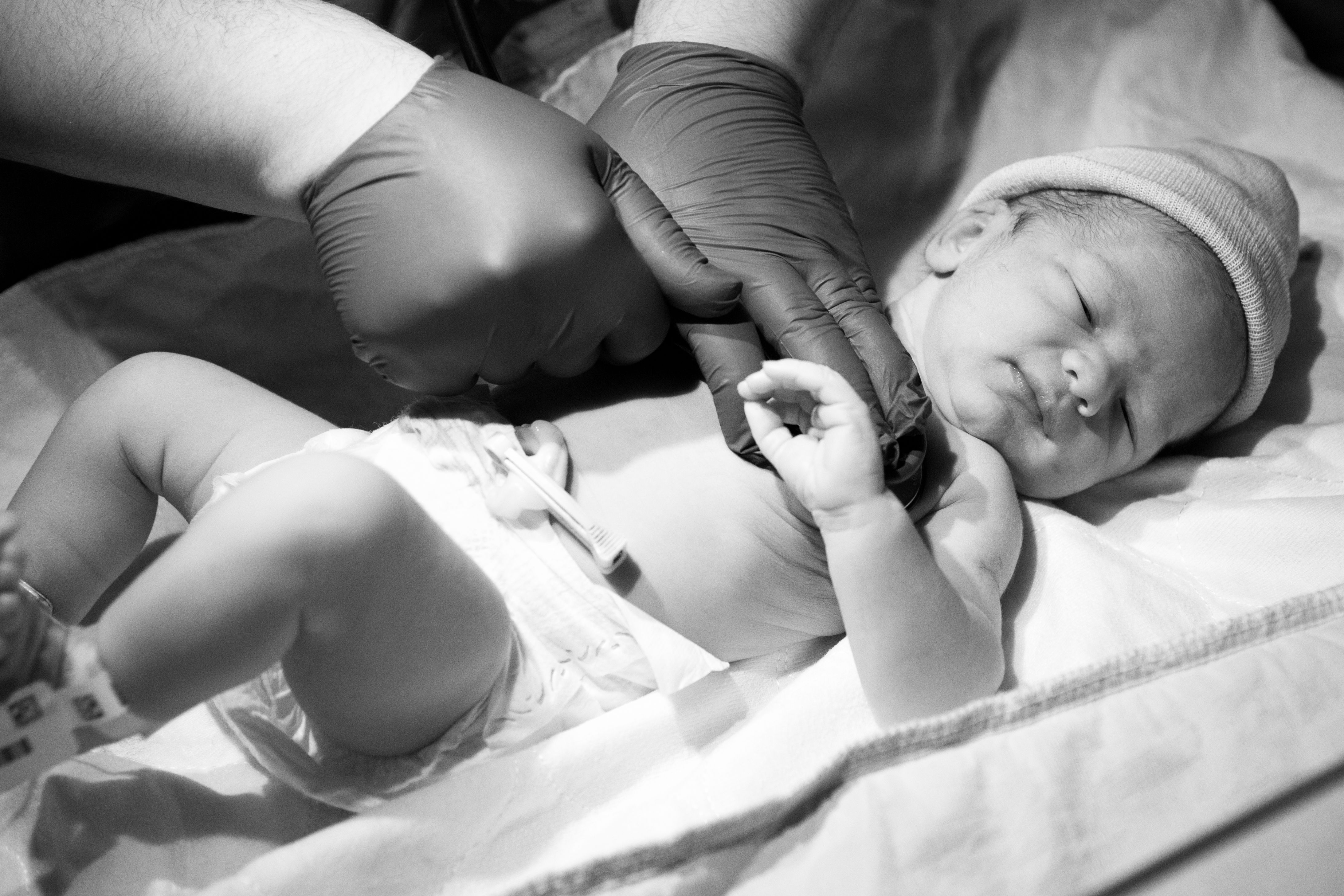
Image by wirestock
The flip side of that is newborn screening. These tests have been around for more than 50 years, and they’re performed on the blood collected from a simple heel prick usually performed in the first few days of life. In the U.S., that comes to about 4 million newborns screened every year.
Newborn screening typically focuses on conditions for which early intervention matters. There are diseases where something as simple as a vitamin supplement might greatly improve someone’s quality of life later on, so long as it’s delivered before symptoms manifest.
But what those newborns are tested for varies significantly. There’s a federal recommendation called the Recommended Uniform Screening Panel, which currently includes 38 core conditions and 26 secondary conditions. While the RUSP list can change over time — there’s a lengthy and arduous process to nominate new conditions for inclusion — the government website about it says the advisory committee overseeing it was terminated last March, an apparent victim of DOGE.
At any rate, the R in RUSP is key: these conditions are recommended, not required, for newborn screening. Each state determines the conditions that its own newborns are screened for, which has led to a patchwork approach here in the U.S. A baby born in Connecticut will be screened for more than 60 conditions. Hop a few miles across the border into Rhode Island and babies are screened for just 35 conditions. (Curious about the policy where you live? Use this state lookup page.)
So what we’ve got is a newborn screening system that largely depends on the vagaries of geography, with no consistent rationale about which conditions to check. As a result, babies with detectable and treatable conditions often go undiagnosed until much later, when a disease has had time to do more damage. Plenty of room for improvement in this process, right? And that’s where genomics comes in.
Genomic technologies have the power to churn through a newborn’s entire complement of DNA, pinpointing not just a few dozen conditions but hundreds or potentially thousands of them. While that scale might not be appropriate for newborn screening — a word on that in a moment — it would make it far easier to standardize the process and deliver consistent results to all families.
In fact, this approach already exists. Often referred to as “expanded newborn screening,” genomic tests offer to scan for significantly more conditions than even the most advanced state-based screening. The major hurdle is cost. States already have dwindling funds for newborn screening, and it’s a tough sell to convince public health officials that more expensive genomic tests are worth bigger budgets. At the moment, families with more resources are generally the ones taking advantage of these tests by paying on their own.
There’s another issue with genome analysis for newborns. Current newborn screening focuses on early-onset, treatable conditions — ones where delivering this information has obvious clinical value in childhood. But what happens if a genomic scan turns up a variant that’s known to cause an adult-onset disease? At what point do parental rights to know their kid’s medical details end, and the kid’s right not to know about inherited disease risk begins? To illustrate: let’s say researchers found that a newborn would likely develop Alzheimer’s disease later in life. Many of us wouldn’t even want to know that information about ourselves as adults. It’s a bit of a Pandora’s box.
To avoid that, genomic tests for newborn screening tend to be highly targeted, focused only on childhood-onset conditions where a useful treatment exists. That doesn’t mean other variants won’t be detected inadvertently, but they would not be reported back to the families. It’s not a perfect system, but at least it attempts to preserve the child’s right to choose for himself whether to look for that information later in life.
While I feel fairly confident that genome interpretation specialists will be able to keep unwanted, adult-onset disease variants out of clinical reports, I worry about two things with this approach. First, it seems like it could be quite a burden on these analysts; some of them will have to know about terrible health conditions coming down the road for their patients and will not be able to discuss it. Second, in our litigious society, it seems likely that at some point the family of a person who gets sick with a hereditary disease could sue over undisclosed information that might have been discovered in a broad genomic newborn screening test. We’re not there yet, I think, but these are discussions we should be having now to prepare for the future.