- Salisbury's Take
- Posts
- Upcoming NIH Strategic Plan Promises to Deliver ‘Gold-Standard Science’
Upcoming NIH Strategic Plan Promises to Deliver ‘Gold-Standard Science’
The NIH is actively seeking input for its next five-year strategic plan. Don’t miss out on this opportunity.

Meredith Salisbury
April 10, 2026
This week I attended a public webinar from the National Institutes of Health about its in-the-works strategic plan. I’ve seen a lot of these plans over the years — not only does NIH have its overarching high-level plan, but each institute and center within the NIH also has its own strategic plan. Having these roadmaps is intended to provide transparency to the public, which funds the NIH, as well as a recognized and consistent focus for the country’s scientific enterprise.
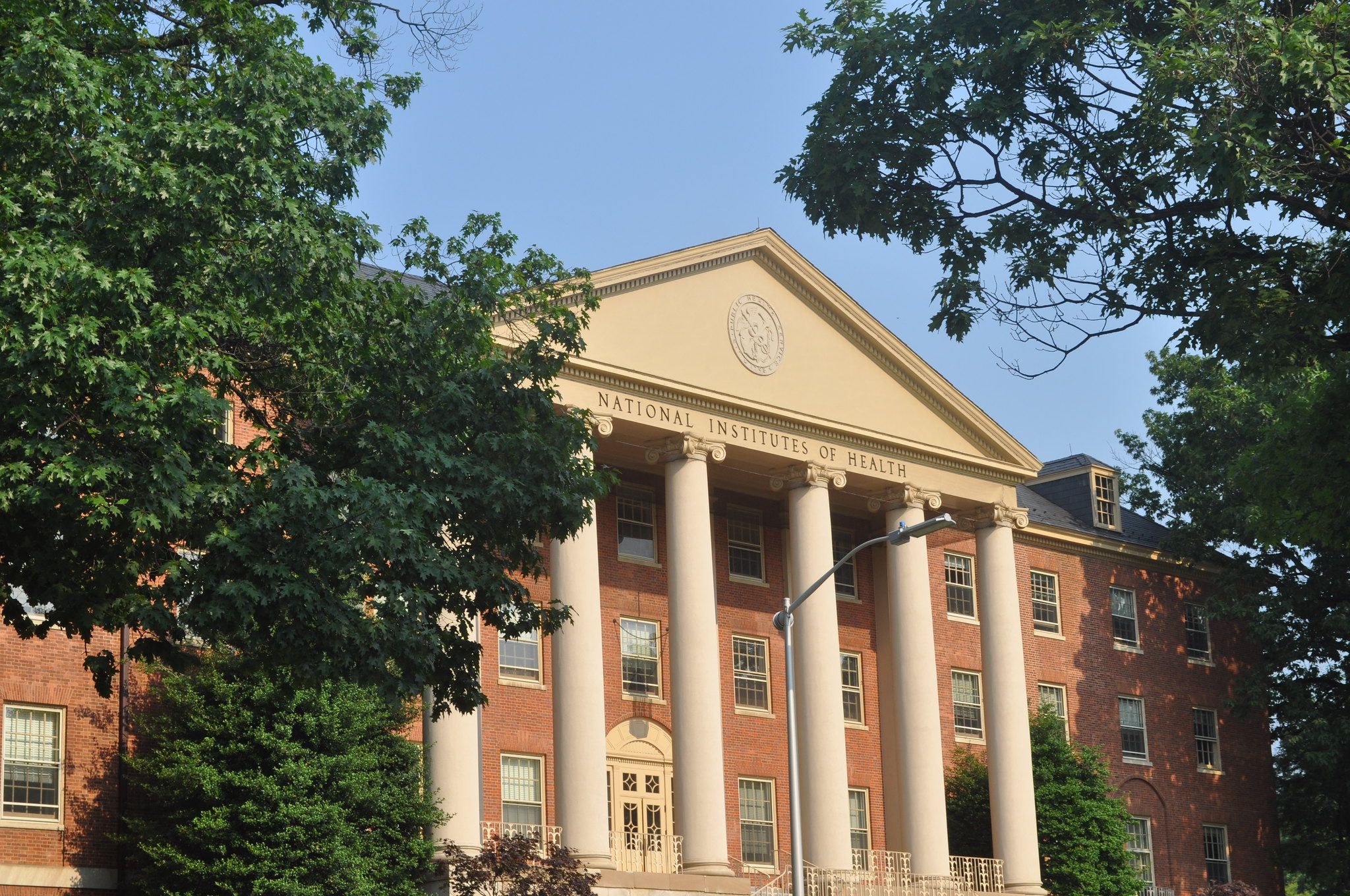
Photo by Lydia Polimeni, National Institutes of Health
Since it’s supposed to be a government-but-not-political agency, you can imagine that having these five-year plans is also meant to help insulate the NIH a bit from the whims of politicians. After this administration’s attempts to slash NIH funding last year and to generally hobble biomedical research in this country, the strategic plan process is probably getting more attention than usual this time around. It’s understandable: NIH funding at this point in the year has been a trickle compared to regular years, and it’s even lagging what we saw at this time last year during the administration’s grant cancellation spree.
The webinar consisted of a relatively short presentation from Nicole Kleinstreuer, deputy director for program coordination, planning, and strategic initiatives. She’s been in that role for the last year; prior to that she served in the leadership of the NIH’s National Institute of Environmental Health Sciences for about a decade.
The presentation aimed to cover the broad strokes of the upcoming strategic plan for 2027 through 2031, which Kleinstreuer emphasized would be an update rather than an overhaul of the current plan. The framework of the new plan has been developed, and now the agency is gathering feedback from the public. The approved final plan is expected to be released this fall. “The framework is still very much under development and public input is very important to us,” Kleinstreuer said.
Any kind of plan that can hold up across all of the NIH, which includes 27 different institutes and centers, has to be quite broad. And this plan is, spanning everything from basic research related to human health and advancing treatments for disease to ensuring sufficient research capacity in the U.S.
Following the presentation, the webinar turned into a Q&A session, and that’s where things got more interesting. Kleinstreuer was on the hot seat to answer questions, but that seat never got more than lukewarm since a moderator was there to hand-pick and read the questions from a pool of those submitted by attendees. Even with that layer of curation, though, it was clear that webinar participants were concerned about the NIH’s continued ability to support evidence-based science.
One questioner asked whether the plan would be based on scientific facts and data (Kleinstreuer said yes); another asked about the recent drastic reduction in the number of funding opportunities announced by NIH (Kleinstreuer said fewer funding opportunities does not mean fewer funded grants). Attendees were also worried about NIH’s support for training and mentorship programs designed to support the next generation of scientists; several of these were axed last year (that one got a general tone of support for young scientists in what was otherwise a fairly noncommittal answer).
Kleinstreuer seemed to want to reassure attendees about the future of the NIH. “You can expect to see a lot of exciting, gold-standard science,” she said.
If you missed the webinar, fear not! There’s still plenty of opportunity to share your thoughts with NIH about funding priorities, research areas, or general concerns. Submit your feedback on this page by May 26.
Short Takes: Infectious Disease News
A new Covid variant known as Cicada has emerged, and it seems to affect kids more than adults. Disease severity appears to be no worse than other widely circulating variants. The Cicada variant has been detected in 23 countries and in wastewater samples collected across the U.S.
Scientists are gearing up for a deep dive into measles, spurred by recent large outbreaks in the U.S. The Centers for Disease Control and Prevention worked with the Broad Institute, a leading genome center, to sequence measles genomes in 1,000 samples. This kind of work can help scientists understand how the pathogen is evolving as it spreads, and even chart the path of transmission.
At a health-focused summit of the G7 held this week, more than 20 international partners announced the launch of the Global One Health Diagnostics Access Compact. The initiative is intended to make diagnostic tools more accessible, allowing for earlier detection of diseases — especially emerging health threats.